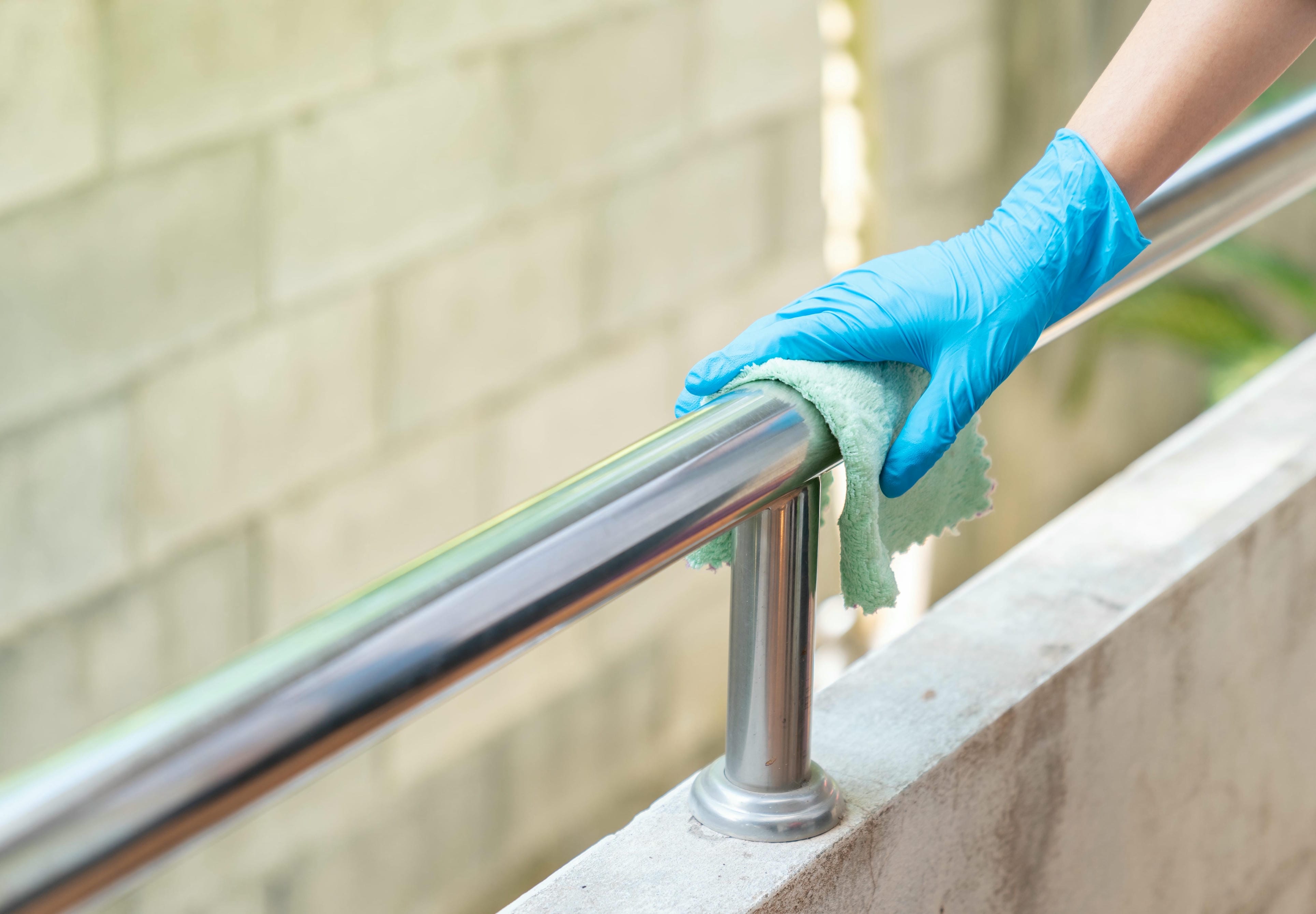
ABOUT STAINLESS
STEEL
The term stainless steel (inox, “prohrom”, rostfrei) covers more than 120 different steel alloys with corrosion-resistant properties.
Stainless steel is a versatile material that combines resistance, aesthetics and durability. Thanks to its strength and recyclability, it is indispensable in the modern world.
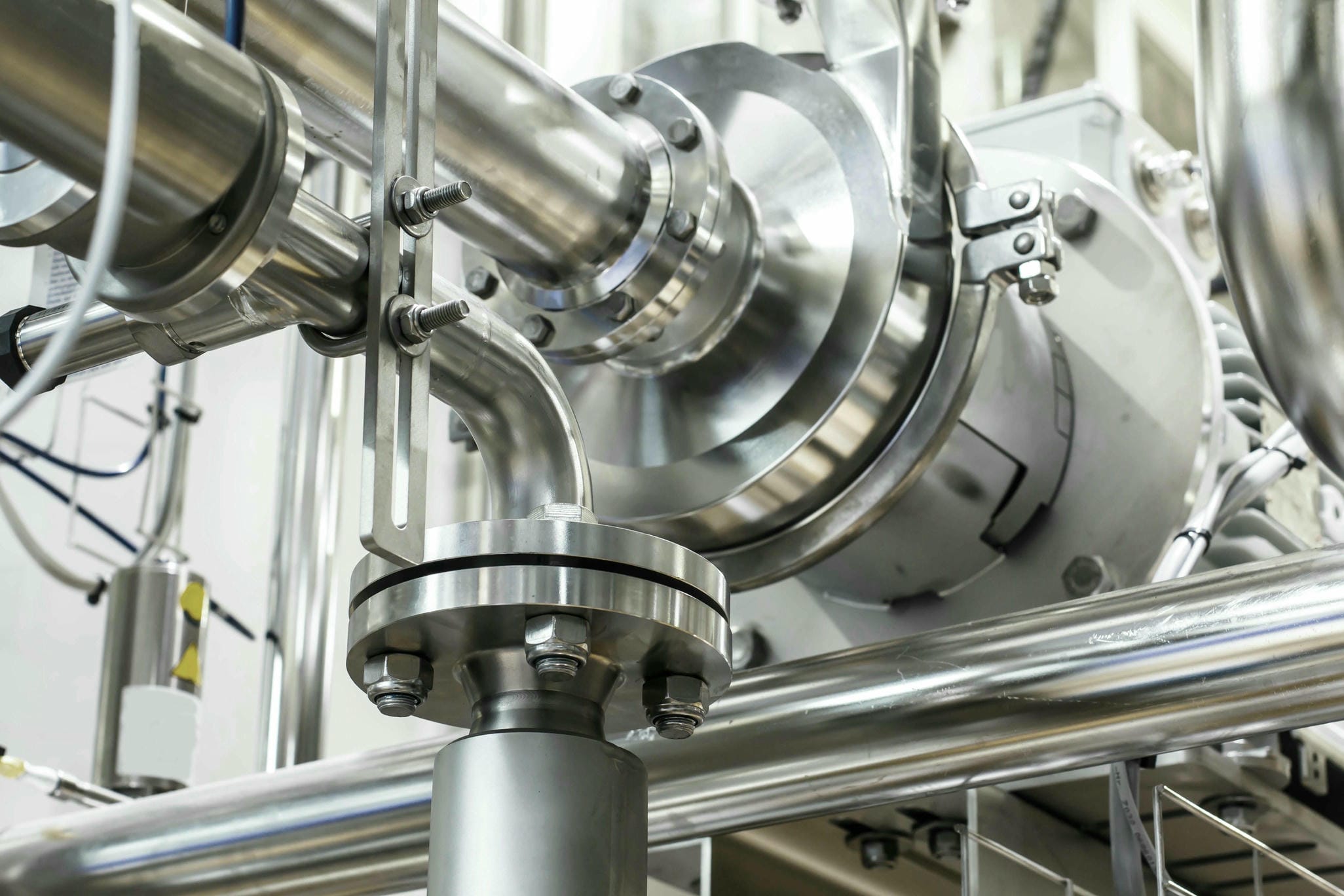
HIGH-ALLOY STEELS
Stainless steels – Inox – Prohrom – Rostfrei – Austenitic – Ferritic – and others.
High-alloy stainless steels are produced in different grades depending on their purpose, chemical resistance, mechanical properties and operating conditions.
The most commonly used stainless steel grades are:
AISI 304/304L, 316L, 316Ti, AISI 430.
PROPERTIES OF STAINLESS STEEL

HIGH CORROSION
RESISTANCE
Stainless steel is extremely resistant to corrosion thanks to its chromium content (usually 10.5% or more). Chromium forms a protective oxide layer on the surface that prevents further oxidation and damage

HIGH MECHANICAL
STRENGTH
Stainless steel is durable and resistant to wear and deformation, which makes it suitable for long-term use.

AESTHETIC APPEARANCE
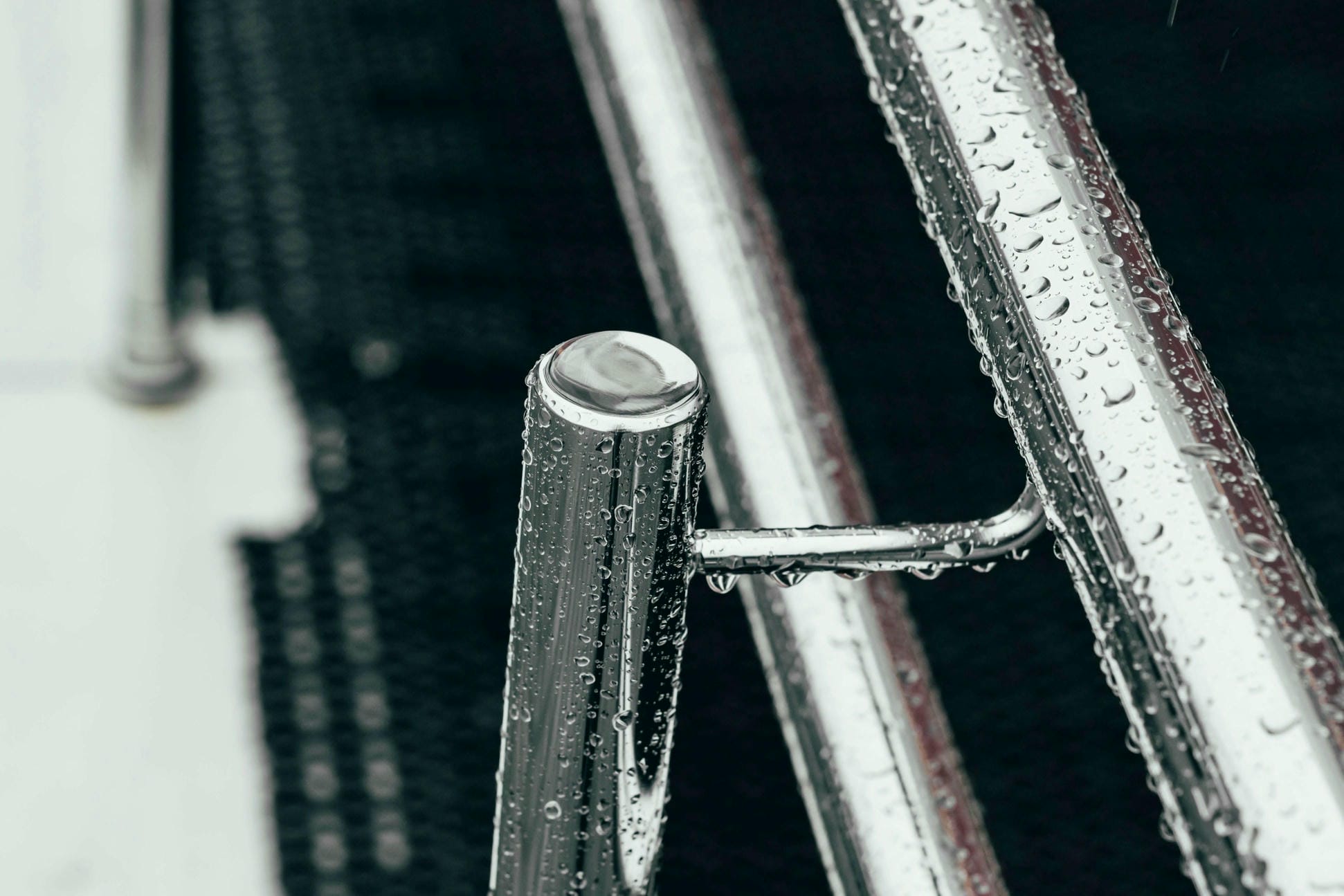
Stainless steel stands out for an aesthetic that combines functionality and modern design. With its bright, reflective surfaces, it adds an elegant, sophisticated look to any space.
APPLICATIONS
OF STAINLESS STEEL
The most common applications of stainless steel include:
- Industrial equipment – food, pharmaceutical and chemical industry
- Construction – facades, railings, staircases
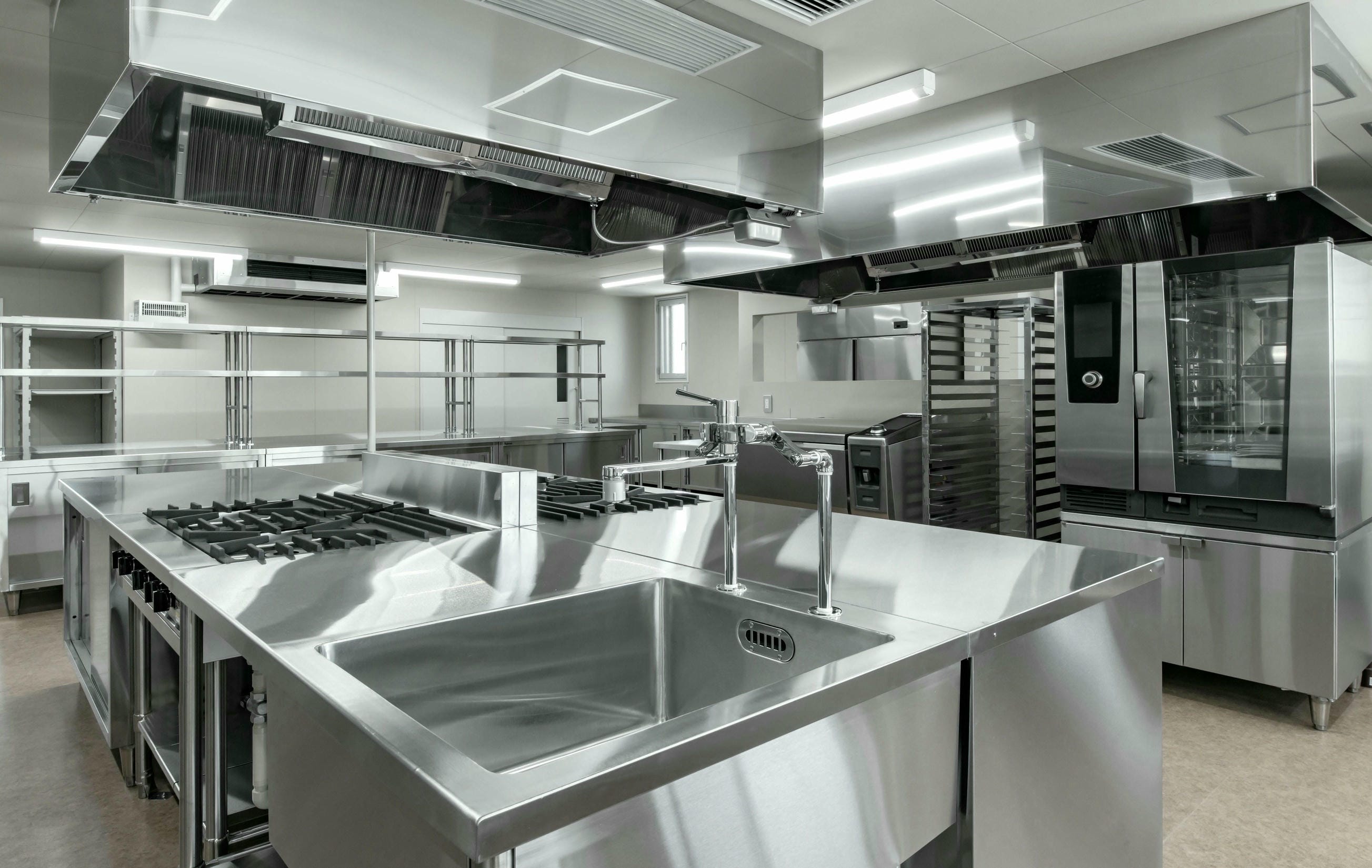
- Kitchen elements – sinks, cookware, appliances
- Medical equipment – surgical instruments, hospital furniture
MOST COMMONLY USED STAINLESS STEEL GRADES
AISI 304/304L
Acid-resistant grade for a wide range of applications
AISI 316/316L
Acid-resistant with increased corrosion resistance
AISI 316Ti
For special purposes
AISI 430
Where lower corrosion resistance is acceptable
CORROSION RESISTANCE



MECHANICAL PROPERTIES
FIRE RESISTANCE
WELDABILITY
Download the stainless steel grades table:

MODERN APPLICATIONS
Different stainless steel alloys, such as AISI 304/304L, 316L, 316Ti and AISI 430, offer specific advantages depending on the environment they are used in. From industries that require high resistance to corrosion and heat to everyday applications where aesthetics and cost-effectiveness come first, stainless steel remains an irreplaceable material.
These alloys not only ensure the longevity and efficiency of products but also offer an environmentally friendly option for modern industrial and consumer applications.
VERSATILITY
Stainless steel (inox) is an alloy of iron, chromium, nickel and other elements. Chromium provides corrosion resistance, while nickel increases strength and resistance to high temperatures. Because of its composition, stainless steel is widely used in industry, construction and hospitality for its durability, ease of maintenance and attractive appearance.
.
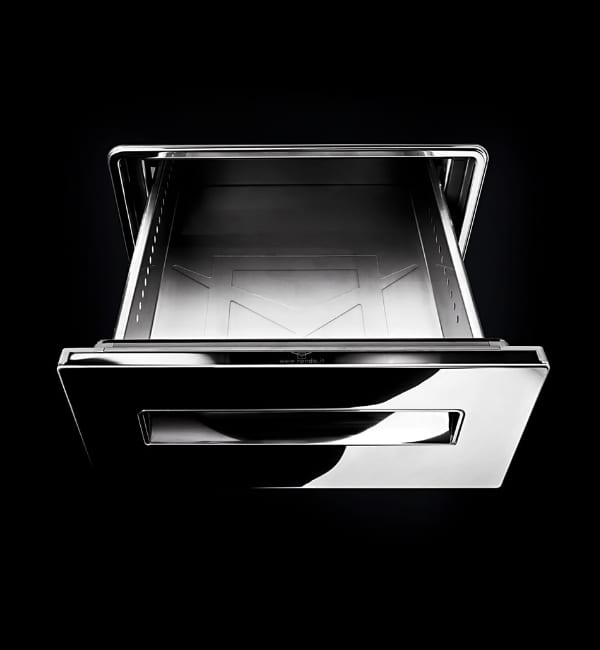

AESTHETICS THAT LAST.
Stainless steel combines durability with an elegant, modern look. That is why it is a popular choice for everything – from architectural elements to everyday appliances.
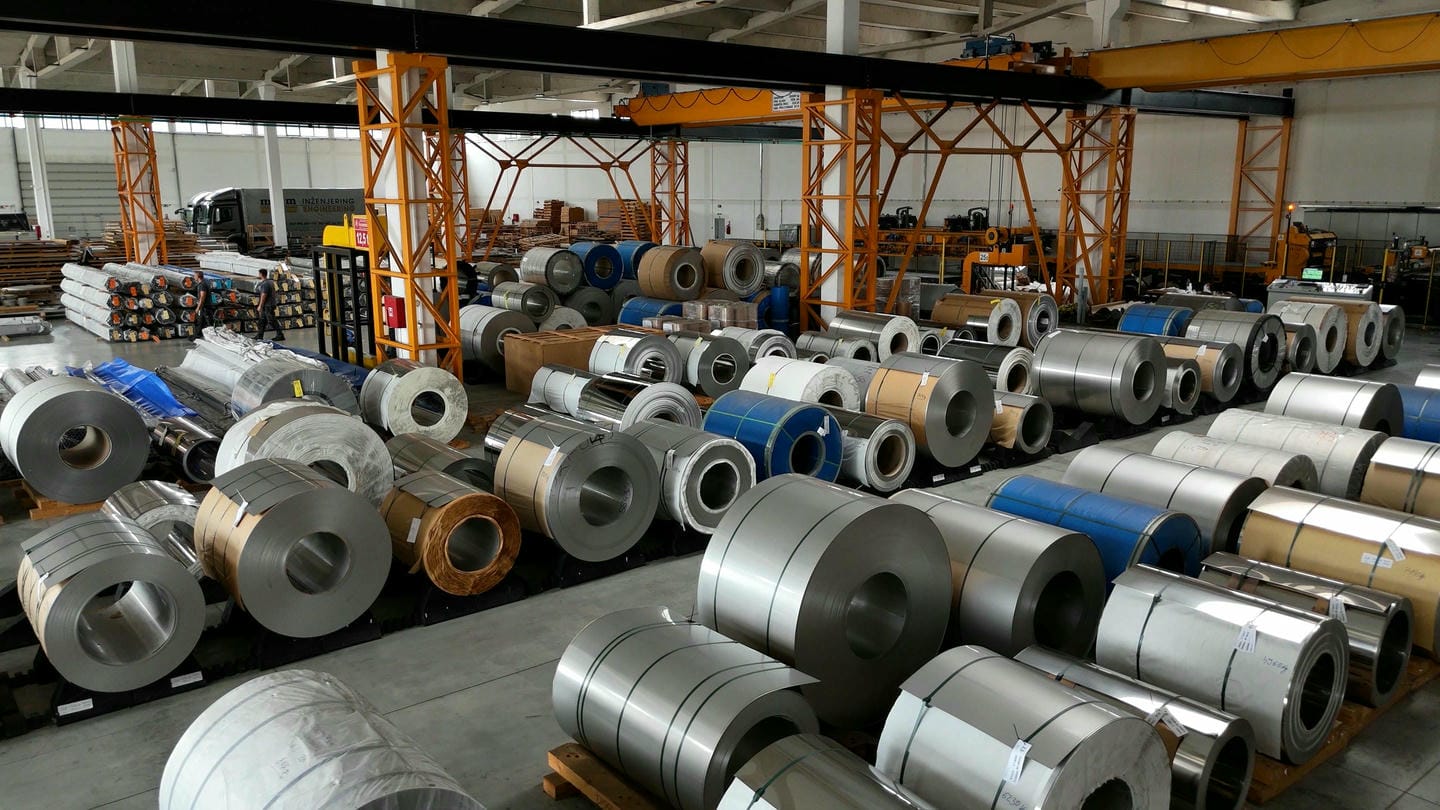
COMPOSITION OF STAINLESS STEEL
WHAT IS STAINLESS STEEL?
Manganese (Mn): helps deoxidation during production and increases strength.
Iron (Fe): the main element of the stainless steel alloy.
Chromium (Cr): usually makes up 10.5–30% of the alloy and forms a thin, passive chromium oxide layer on the surface, which prevents corrosion.
Nickel (Ni): added in larger amounts (8–10% in 304) to increase resistance to acids, strength and ductility.
Molybdenum (Mo): present in some grades, such as 316, for extra resistance to chlorides and localised corrosion (e.g. pitting corrosion).
Carbon (C): limited in content (e.g. 304L and 316L are low-carbon), which reduces the risk of intergranular corrosion.
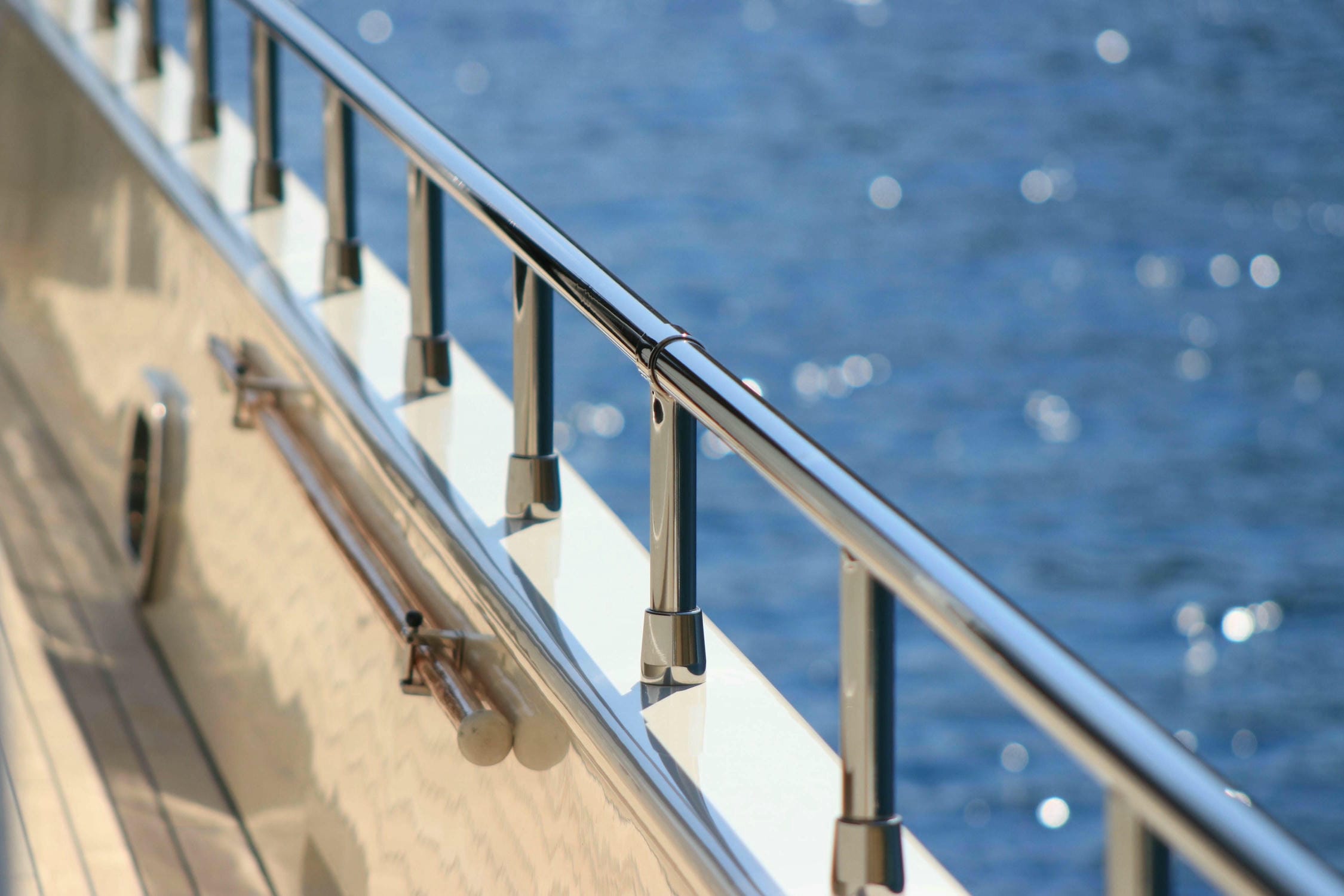
ENVIRONMENTAL BENEFITS OF STAINLESS STEELS
Stainless steel is a material of the future thanks to its recyclability and durability. Stainless steel products from our range not only reduce the need for frequent replacement but also help protect the environment. One of the biggest advantages of stainless steel is that it is 100% recyclable.
At the end of its service life, stainless steel can be recycled without losing quality or mechanical properties. In practice, an average stainless steel product contains between 60% and 90% recycled material, reducing the need to exploit natural resources. MGM Inženjering supplies stainless steel materials that meet all environmental standards and add value to your business.
MAINTENANCE OF STAINLESS STEEL
Stainless steel needs proper maintenance to keep its shine and corrosion resistance. Here are a few useful tips:
- Regular cleaning – use specialised stainless steel cleaners designed to remove dirt without damaging the surface. Avoid abrasive products or strong chemicals.
- Preventing stains and fingerprints – after cleaning, rinse with clean water and dry with a soft cloth to prevent water stains and fingerprints.
- Polishing and protection – occasionally use stainless steel polish to preserve the shine and add a protective layer.
- Avoid aggressive chemicals – do not use products containing chlorine, acids or abrasive particles, as they can cause damage and reduce corrosion resistance.